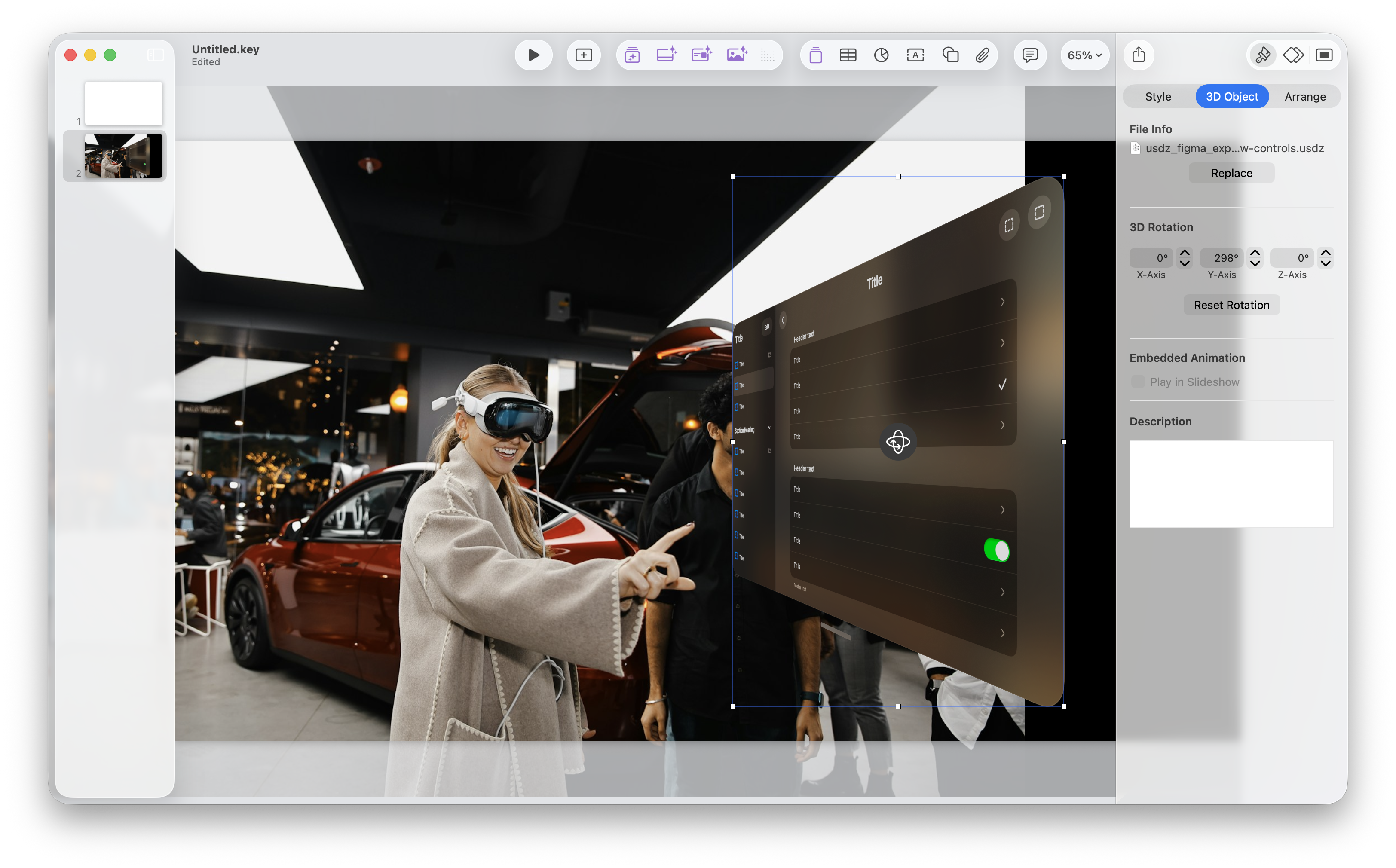
Spatial prototyping
sXRetch
Convert raster images into placeable USDZ or GLB objects in the browser. Prepare images for XR reviews and classroom experiments, then export for Quick Look or Scene Viewer.
python3 -m http.server 8091 --bind 127.0.0.1
then open http://127.0.0.1:8091/apps.html.
Capability building made tangible. Browser-based tools for students, collaborators, and creative workshops: turn images into spatial prototypes, model in 3D, explore colour through play, and compose comic pages.
Spatial prototyping
Convert raster images into placeable USDZ or GLB objects in the browser. Prepare images for XR reviews and classroom experiments, then export for Quick Look or Scene Viewer.

Spatial interface review
Package flat interface frames into USDZ objects for visionOS reviews. Bring UI designs into spatial context to explore their scale and placement.
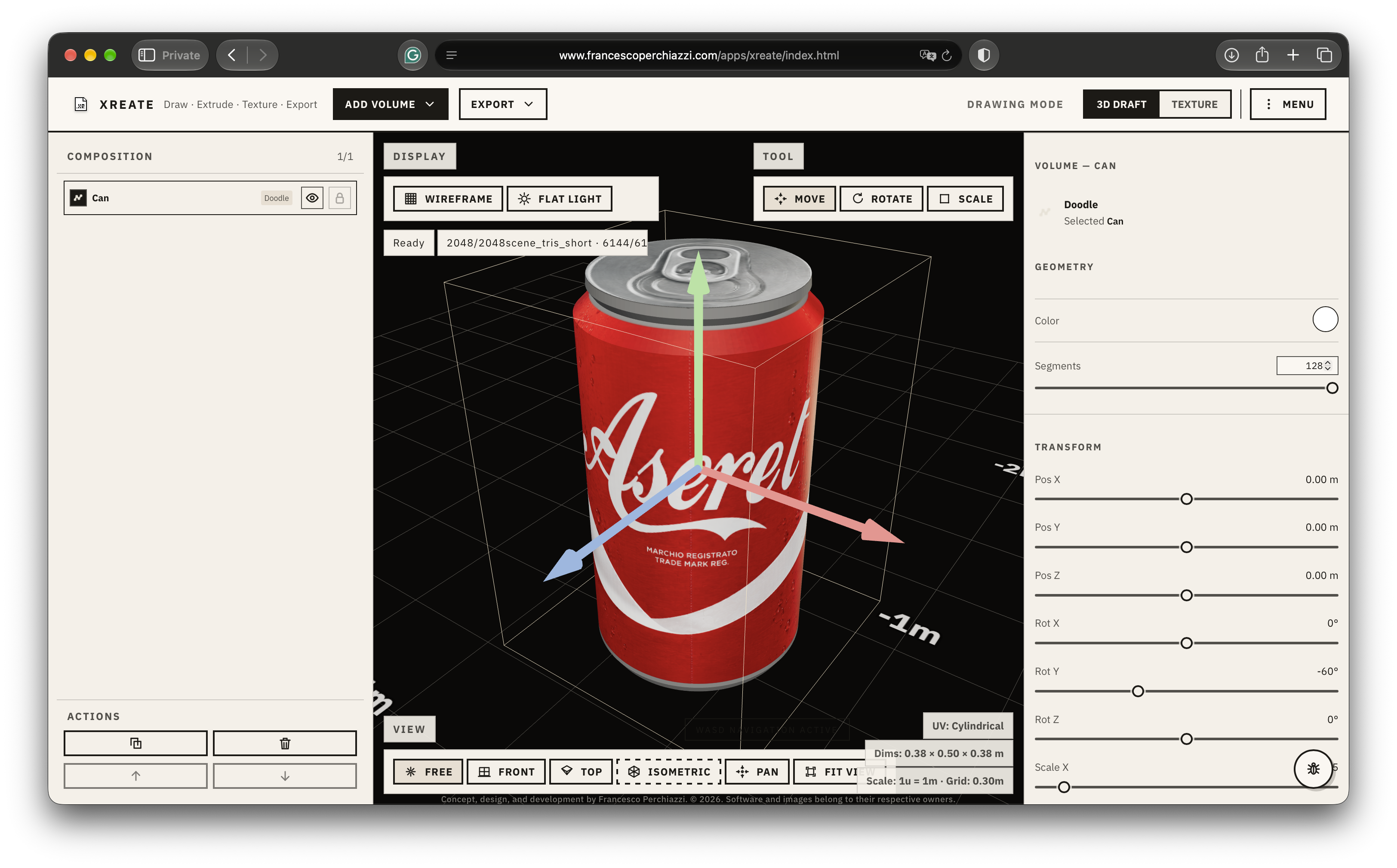
3D prototype modelling
Draw, extrude, texture, and export 3D prototypes for scene props, gameplay spaces, and XR ideas. An experimental browser tool for coders and learners, with GLB and USDZ export.
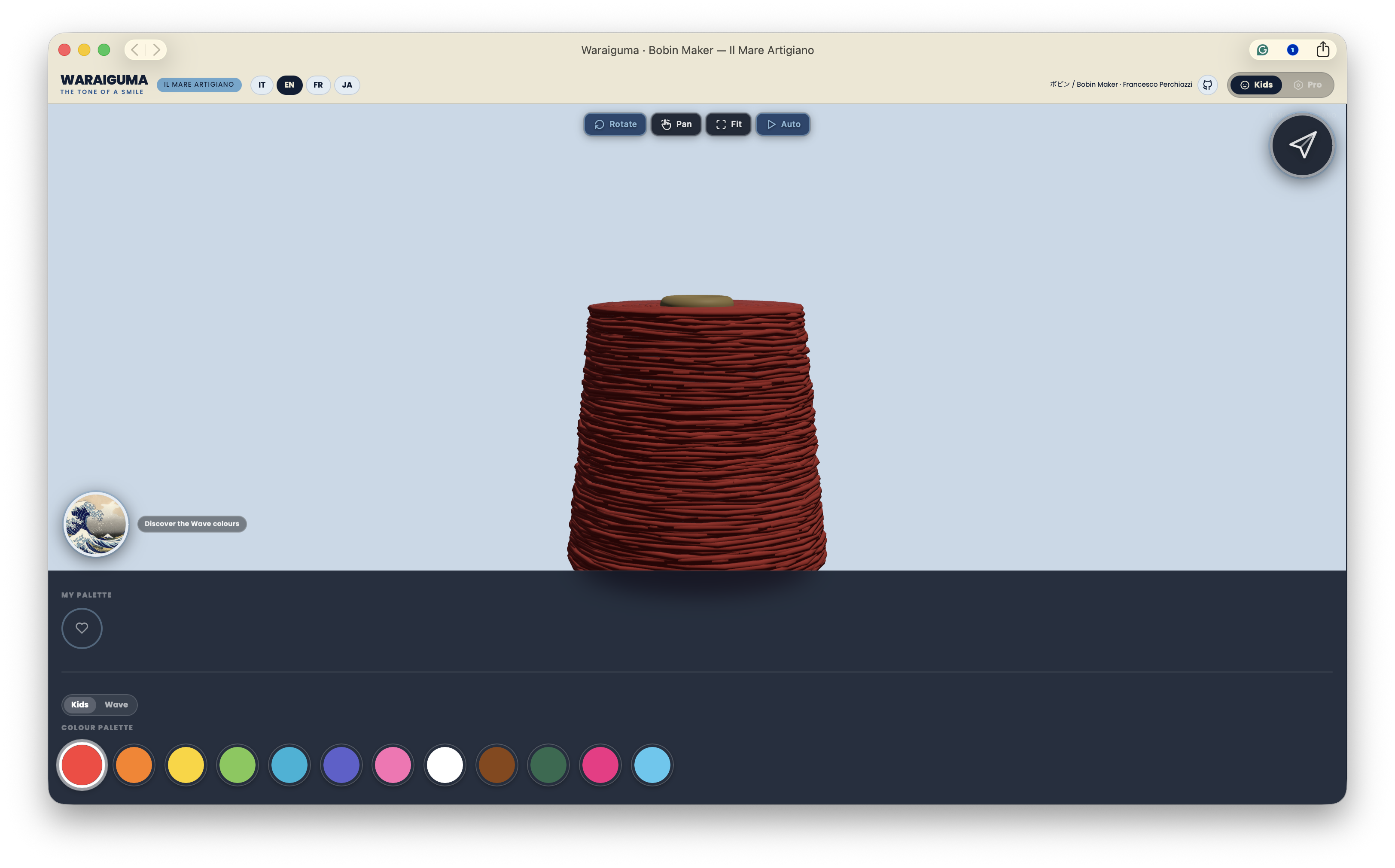
Colour and spatial play
Created for children at Il Mare come Artigiano, Museo della Moda di Napoli. Colour a 3D yarn bobbin, collect palettes, and explore it in augmented reality: a small tool for discovery through play.

Comic page formats
Explore comic page formats and prepare boards for drawing and composition studies. A browser utility for classroom exercises and sequential-art planning.
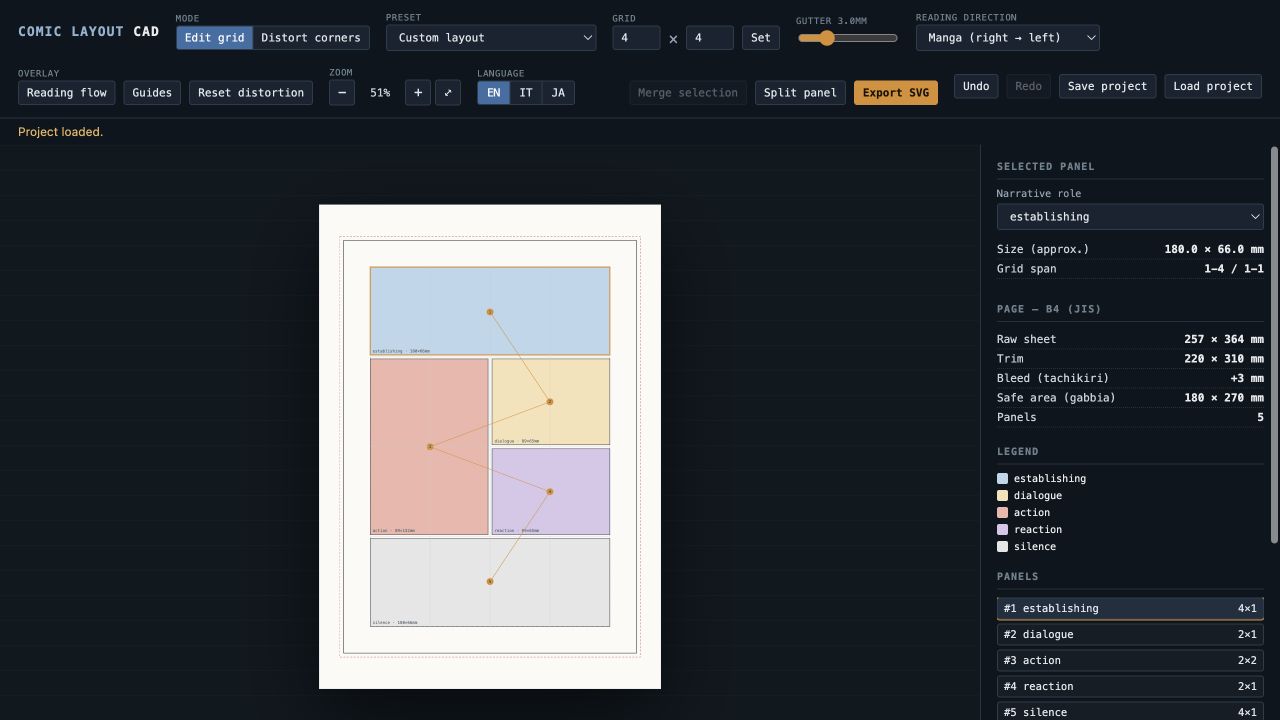
Panel composition
Experiment with panel layouts and the way a page guides the reader. A tool for studying composition, spacing, and visual rhythm in comics.
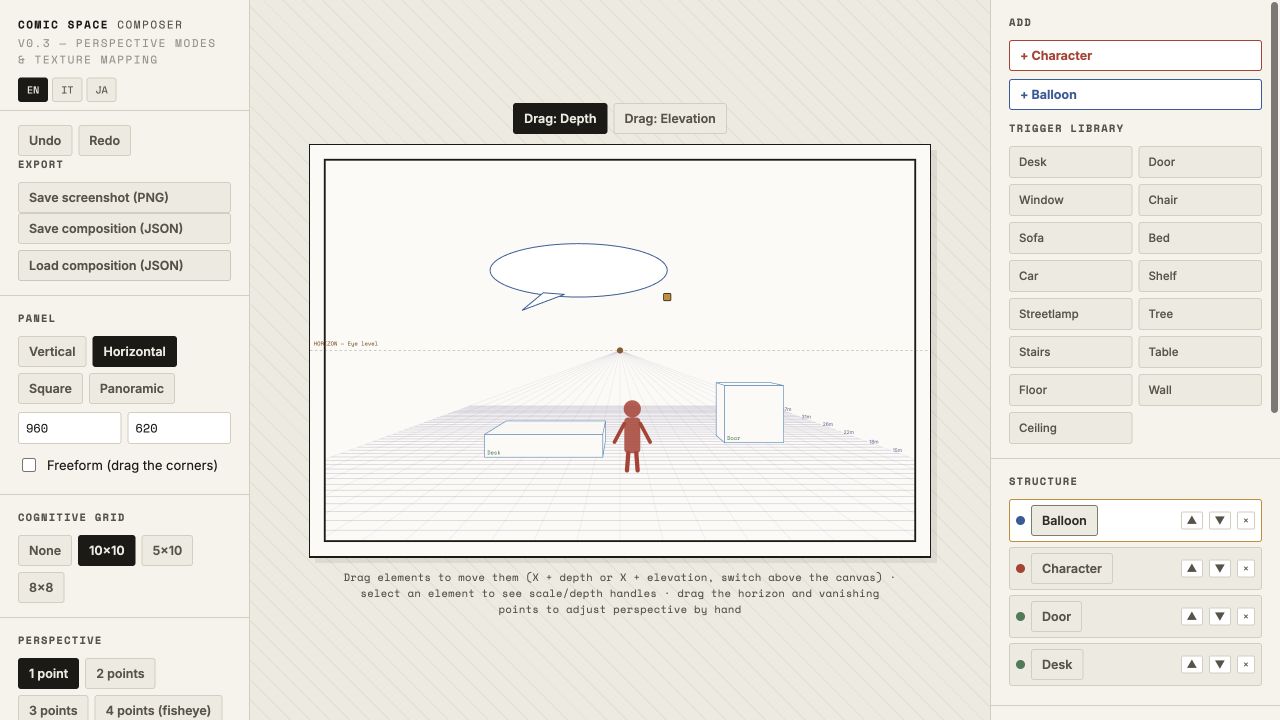
Spatial drawing
Explore perspective and spatial construction for comic scenes. Use the browser workspace to support drawing exercises and plan the space within a panel.
Francesco Perchiazzi is a Design Director, researcher, and educator: Adjunct Professor at Università di Napoli Federico II and Senior Mentor (focused on Design, Immersive Experiences, and Game Development) at the Apple Developer Academy. His practice brings together visual design, human factors, and emerging technologies, using prototyping to help people and teams turn abstract concepts into practical working methods.
In organisational terms, capability building is the process through which people and companies develop and strengthen the skills, tools, and methodologies they need to operate autonomously and adapt to future challenges.
In this Lab, it has a very pragmatic definition: building systems, tools, and methods that allow people and organisations to keep creating and innovating long after the original collaboration ends. It is not a one-off delivery of knowledge; it is the release of a replicable method.